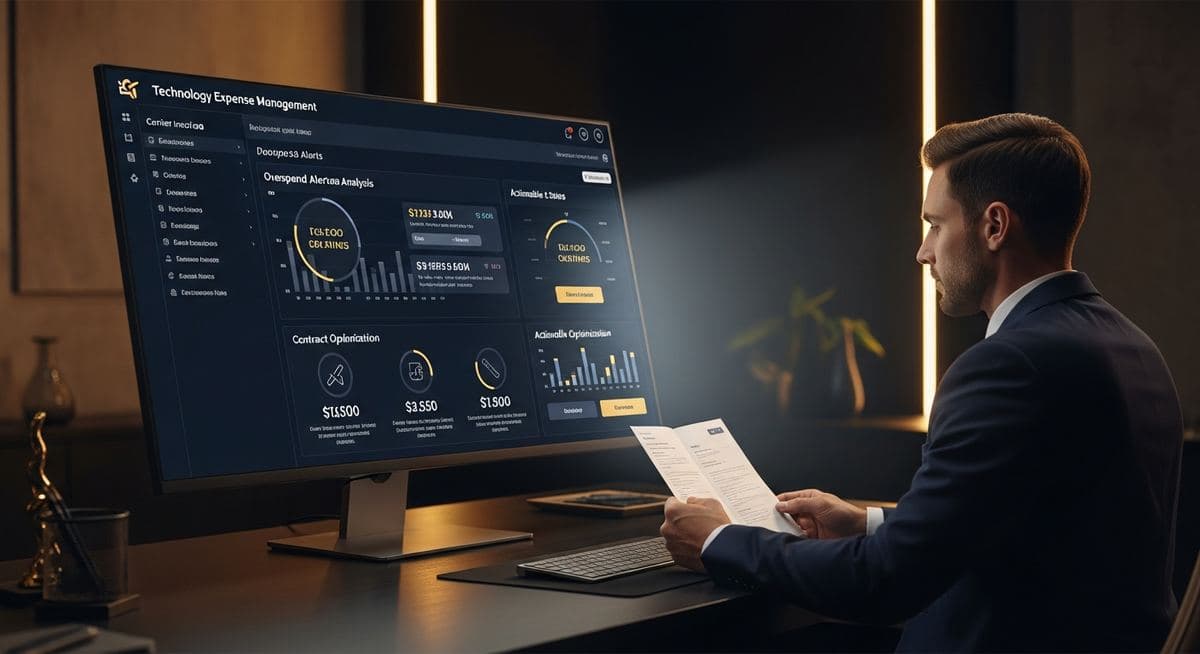
Telecom expense management (TEM) is one of the highest-ROI cost-control disciplines most small and mid-market businesses ignore. The reason it's ignored is simple: telecom bills are deliberately hard to read. Multi-page invoices, line items that don't match contract terms, surcharges and regulatory fees that grow in the gaps, and circuits that haven't been used in years but are still being billed. Industry audits consistently find 15-30% of business telecom spend is recoverable through disciplined review. Here's how to actually do it.
What's Hiding in Your Telecom Bill
Telecom bills accumulate waste through three mechanisms: contracted services that no longer match actual usage, surcharges and pass-through fees that quietly increase, and zombie circuits that should have been disconnected during past office moves or technology migrations. We've audited bills where 40% of the recurring line items had no corresponding service in use — usually old DSL backup circuits, decommissioned PRIs, or fax lines for machines that were retired years earlier.
The harder waste to find is rate slippage. Carriers structure contracts with promotional rates that step up after 12-24 months, and the original signer often doesn't track when the rate change hits. By the time someone notices, the business is paying 50-80% above the renewal-ready rate, and switching costs are non-trivial. Disciplined TEM catches these in the month they happen.
The TEM Workflow That Actually Works
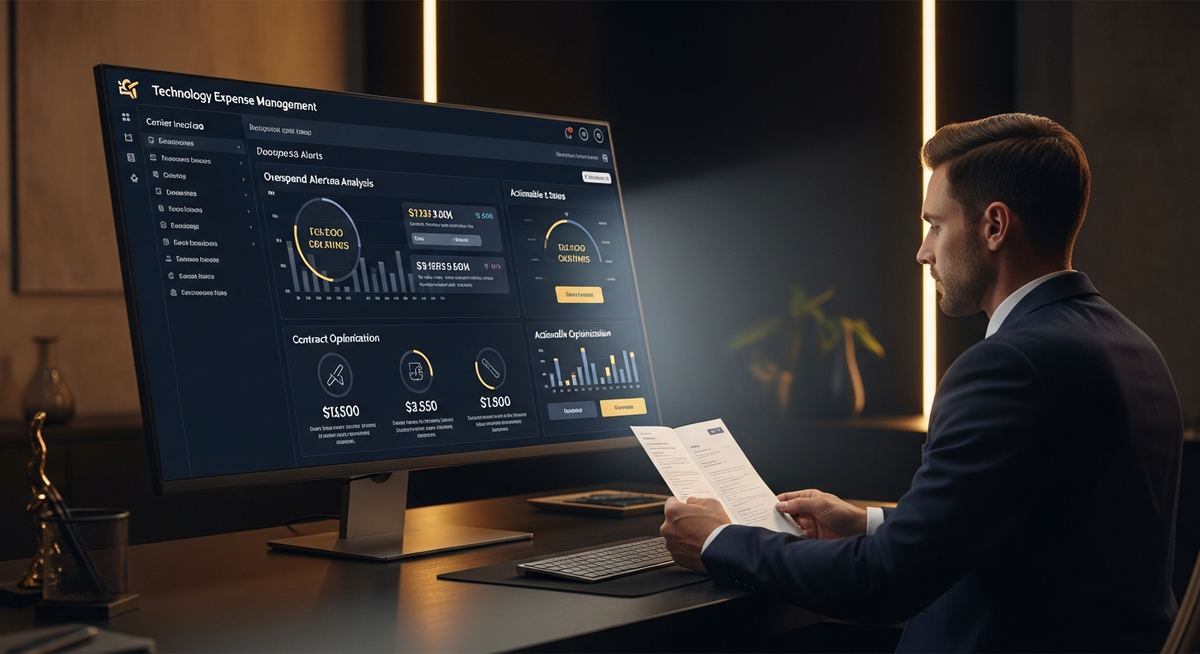
Effective TEM is less about software and more about a repeatable monthly process. The framework we use looks like this:
- Inventory every circuit, every line, every service — by location, by carrier, by contract end date. This is the foundation. You can't find waste in something you don't know you're paying for.
- Reconcile invoices to inventory monthly — flag any line item that doesn't map to a known service. These flags are where the savings live.
- Track contract anniversaries 90 days before they hit — renewal negotiations have leverage only when you're early. Last-minute renewals get the carrier's auto-renew rate, which is rarely competitive.
- Benchmark rates quarterly — what you paid 18 months ago isn't what the market charges today. Fiber rates in particular have dropped substantially in most metros.
- Maintain a disconnect log — when a service is canceled, document the cancellation confirmation. Carriers occasionally fail to actually disconnect services, and you'll need the paper trail to claw back charges.
Where the Quick Wins Are
If you've never done a TEM audit, three categories almost always yield savings in the first pass. First, mobile lines: businesses commonly carry 10-20% more lines than they have active employees, paying for phones that were never returned or never reassigned after staff turnover. Second, conference bridges and audio conferencing accounts that pre-date Zoom and Teams adoption but are still being billed. Third, redundant internet circuits where a primary and a backup both got upgraded over time and now overlap in capability.
One specific pattern we see: businesses that adopted Microsoft Teams Phone or another cloud voice platform but didn't fully decommission the legacy PRI or SIP trunks. The new platform handles the calls; the old circuits keep billing. That single category has paid for the entire TEM engagement at multiple Leonidas clients.
Build It In or Outsource It
TEM is a discipline, not a one-time project. The savings show up in the first audit; sustaining them requires monthly attention. Small businesses can build this in by assigning ownership to a finance or operations person with a checklist and a quarterly carrier-rate benchmark. Mid-market businesses with multi-location footprints usually benefit from outsourcing TEM to a specialist or layering it into an MSP relationship that includes telecom oversight.
At Leonidas, telecom expense oversight is part of our managed telecom and WAN services. We've found that bundling TEM with carrier management produces consistent year-over-year savings because the same team that knows the contracts is reviewing the bills. If your business hasn't audited telecom spend in the past 12 months, that's where the next few thousand dollars of recoverable monthly cost is sitting. A free 30-minute assessment typically surfaces the biggest waste categories before any engagement.
Leonidas is a managed IT services provider, cybersecurity consulting firm, and unified communications consultancy serving businesses across industries. We offer free 30-minute assessments. Contact us or call +1 (888) 790-8777.