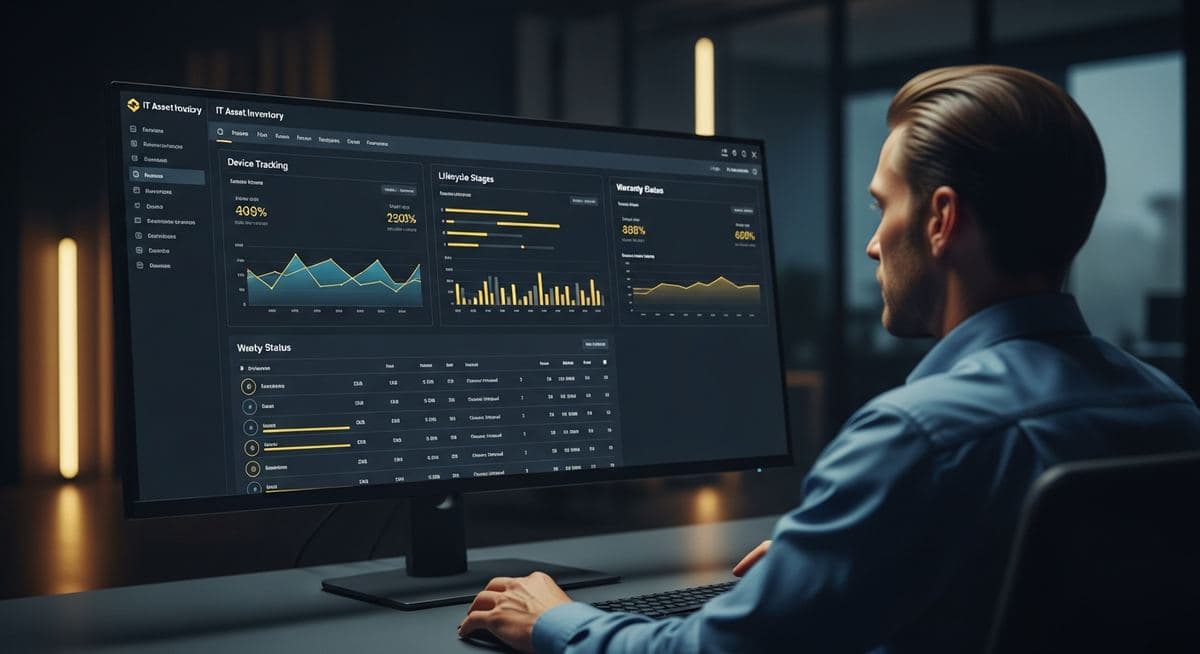
IT asset management (ITAM) is one of those operational disciplines that pays for itself many times over and that most SMBs neglect anyway. The reason it's neglected is structural — there's no acute crisis when ITAM is missing, just a slow accumulation of lost time, wasted spend, and shadow inventory. Then the audit happens, or the laptop is misplaced, or the software vendor true-up bill arrives, and the lack of ITAM becomes expensive. Here's a practical framework for getting it in place without building a six-month project.
What ITAM Is Tracking
A complete IT asset management practice covers four categories of assets:
- Hardware — laptops, desktops, servers, network equipment, mobile devices, peripherals. By serial number, by location, by assigned user, by warranty status, by purchase date and end-of-life projection.
- Software licenses — what's installed where, what's licensed for what, what's compliant and what's drifting
- SaaS subscriptions — every cloud service the business pays for, who owns it, how many seats, what they cost, who's actually using them
- Cloud infrastructure — VMs, storage, network resources running in AWS, Azure, GCP — what they do, who owns them, what they cost
At most SMBs, hardware is the only category tracked, and even that is often inconsistent. The other three categories — where most of the recoverable cost lives — are usually undermanaged.
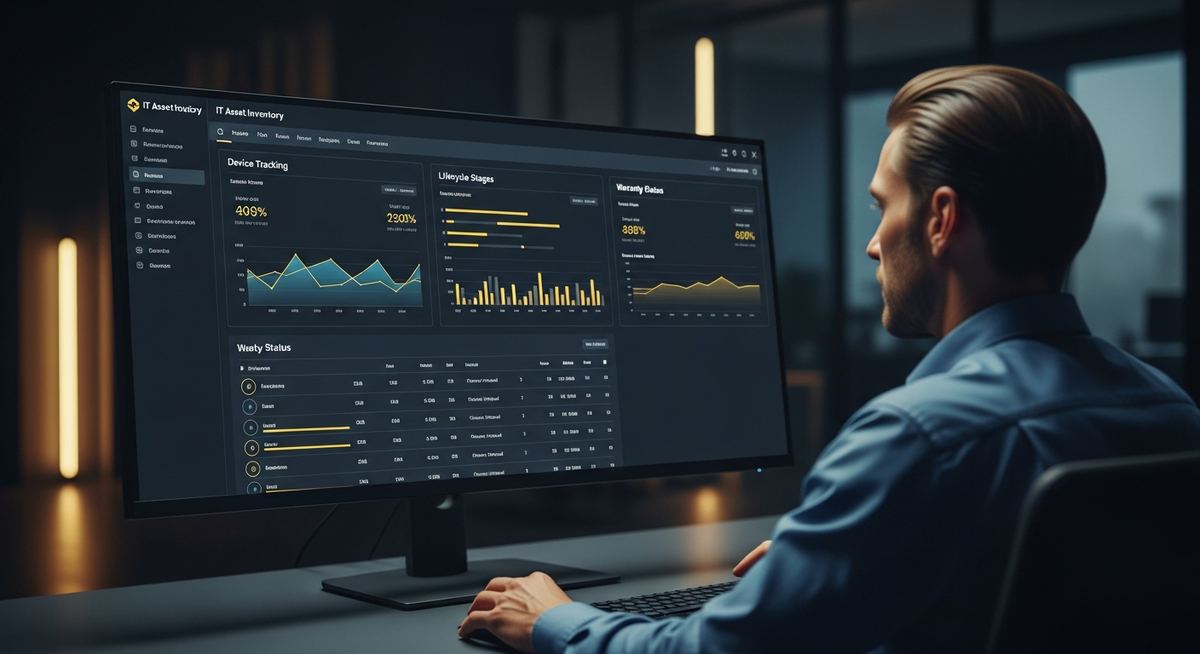
The Cost of Not Knowing
Concrete waste patterns that ITAM exposes:
- Unused SaaS seats — Slack, Office 365, Salesforce, Adobe licenses for employees who left months ago
- Duplicate tools — multiple platforms doing the same job, often signed by different departments
- Over-licensed software — paying for features or seat counts that aren't being used
- Untracked hardware — laptops that walked out the door during a departure and never came back
- Lapsed warranties — equipment past its support window that breaks expensively because the warranty wasn't renewed
- Vendor true-ups — software vendors auditing your installations and back-billing for compliance gaps
- End-of-life surprises — hardware reaching EOL with no replacement plan, forcing emergency purchases at premium prices
At businesses we've audited, ITAM gaps typically surface 5-15% of the IT budget as recoverable or reallocable.
The 80/20 Implementation
A full ITAM platform isn't required to capture most of the value. A spreadsheet-based system with disciplined processes can deliver 80% of the benefit at a small business. The core elements:
A single source of truth — one spreadsheet, database, or ITAM tool that every asset gets entered into when it's acquired and updated when it changes hands or is retired. Distributed-knowledge systems (everyone has their own list) don't work.
An entry-and-exit workflow — every new device, license, or subscription gets logged at acquisition. Every departure or retirement updates the record. Most ITAM failures are entry-and-exit failures — assets accumulated without a process for taking them off the books.
A quarterly reconciliation — at least once a quarter, walk the records against reality. What's in the system but no longer in use? What's in use but not in the system? Reconciliation closes the gaps before they grow.
An owner — one person responsible for the practice. Without ownership, ITAM drifts back to nobody-managed within a quarter.
When to Move Beyond Spreadsheets
The spreadsheet approach works up to a point. Signals that a dedicated ITAM tool is the right next investment: asset count exceeds 200 (the spreadsheet becomes unwieldy), regulatory requirements demand audit-quality records (SOC 2, HIPAA, CMMC), or complex software licensing requires automated tracking (Microsoft, Adobe, Autodesk, and similar vendors at scale). For most SMBs, the spreadsheet stays viable; for growing mid-market businesses, the move to a tool becomes worthwhile.
If you'd like help building out ITAM for your business, a conversation with our team can scope the implementation and the typical savings.
Leonidas is a managed IT services provider, cybersecurity consulting firm, and unified communications consultancy serving businesses across industries. We offer free 30-minute assessments. Contact us or call +1 (888) 790-8777.