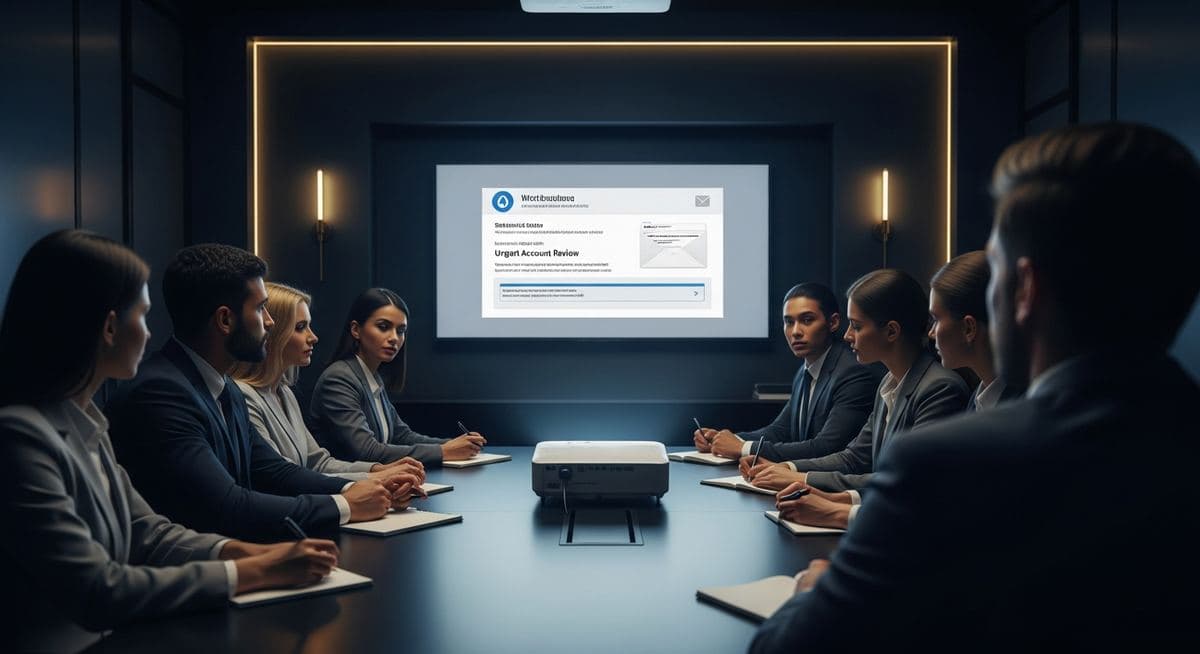
Building a cybersecurity culture in your organization is more consequential than any specific technology investment. Tools catch threats; culture determines whether the controls get implemented properly, whether employees report what they see, whether incidents get escalated quickly, and whether security guidance gets followed under operational pressure. The businesses that survive incidents well don't have better technology than those that don't — they have a culture that takes security seriously. Here's what building that culture actually involves.
What Security Culture Isn't
Before describing what security culture is, what it isn't:
- It's not annual security awareness training that everyone clicks through to satisfy a compliance checkbox
- It's not posters in the break room reminding people not to click suspicious links
- It's not a punitive program that punishes employees who fall for phishing tests
- It's not the security team telling everyone else what they can't do
- It's not a CISO speaking at all-hands meetings about how important security is
Each of these can be part of a security program, but none of them creates culture. Culture emerges from how the organization actually behaves day-to-day.
What Actually Creates Security Culture
The behaviors and patterns that build genuine security culture:
- Leadership engagement — leaders visibly prioritize security in decisions, conversations, and budget allocation. Not as a slogan but as a regular topic.
- Security as enabler, not blocker — security team's role is to help the business move safely, not to say no. When this is the operating mode, security gets brought in early; when it's not, security gets bypassed
- Psychological safety for reporting — employees who report suspicious activity, mistakes, or concerns get appreciated, not blamed. "I clicked something I shouldn't have" produces support, not punishment
- Process discipline that's consistent — out-of-band verification for financial requests applied universally, not "except for the CEO" or "unless it's urgent"
- Security in onboarding — new hires hear from security on day one and learn that security is everyone's responsibility
- Recognition of good security behavior — employees who catch phishing, report concerns, or follow process under pressure get visible acknowledgment
- Transparency about incidents — internal communication after incidents discusses what happened, what was learned, and what's changing — without scapegoating individuals
- Investment that's commensurate with the risk — security gets real budget and headcount, not just policies
The Specific Habits Worth Building
Cultural change happens through habit formation, not declarations. Specific habits worth building deliberately:
- The "verify before acting" reflex on financial requests, vendor changes, or anything that involves money flowing
- The reporting reflex — if something looks suspicious, the email goes to security/IT before any action
- Asking "should I be doing this?" for anything that involves data leaving the corporate environment
- Treating security warnings as information rather than annoyance
- Updating systems and devices promptly when prompted
- Using the password manager (and not bypassing it for "quick" credential entry)
- Reporting near-misses, not just actual incidents
Each of these habits matters more than any specific technology control.
The Anti-Patterns That Destroy Culture
Specific behaviors that damage security culture:
- Executives demanding security exceptions for themselves
- Punishing employees who fall for phishing simulations
- Treating security questions during requirements gathering as obstruction
- Cutting security budget when other priorities arise
- Blaming individuals after incidents rather than examining systemic issues
- Implementing security controls that are obviously inadequate "because that's all we can afford"
- Security team that's adversarial or hard to work with
Each of these signals to the workforce that security isn't genuinely valued. Culture follows.
How to Measure Cultural Health
Cultural change is hard to measure but not impossible. Signals worth tracking:
- Phishing report rate (people reporting suspicious mail to security)
- Time between an incident occurrence and someone reporting it
- Survey response to questions like "I would report a security concern even if it embarrassed me"
- Adoption rate of security controls that are technically optional
- Quality of security questions asked during project planning
- Tone of internal communication about security incidents
Improving these signals over time indicates cultural improvement. If you're scoping a security culture initiative for your business, a conversation with our team can help frame the priorities.
Leonidas is a managed IT services provider, cybersecurity consulting firm, and unified communications consultancy serving businesses across industries. We offer free 30-minute assessments for businesses evaluating their IT and security posture. Contact us or call +1 (888) 790-8777.