Edge Computing for Business — If you've encountered edge computing in vendor marketing or technology coverage, you've probably encountered a lot of jargon and not enough plain explanation. Edge computing is a legitimate architectural pattern with real use cases — but it's also a term that gets applied to everything from sophisticated industrial IoT deployments to hardware vendors rebranding their local servers. Here's what it actually means and when a business of your size should care about it.
What Edge Computing Actually Is
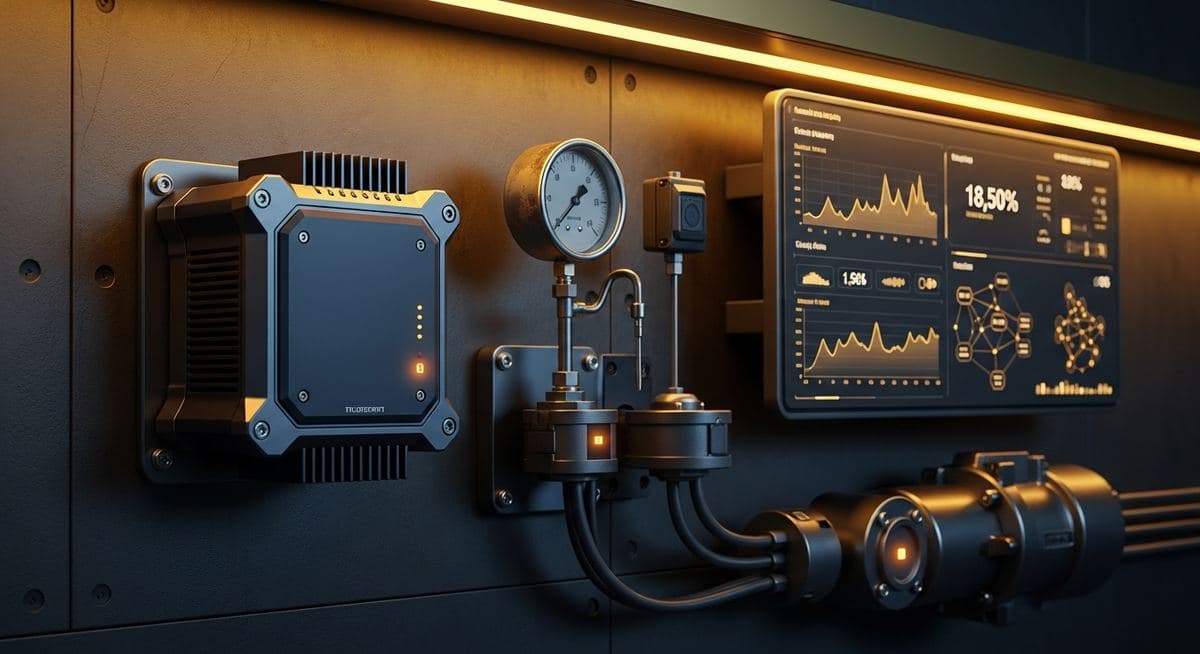
Edge computing refers to processing data at or near the source where it's generated — at the "edge" of the network — rather than sending all that data to a centralized cloud or data center for processing. The "edge" is wherever your devices, sensors, cameras, or endpoints are located: a factory floor, a retail location, a vehicle, a remote site.
The contrast is with pure cloud architecture, where raw data flows from devices to cloud infrastructure, gets processed there, and results flow back. Edge computing keeps the processing local and only sends relevant results or summaries to the cloud. This reduces bandwidth consumption, lowers latency, and allows processing to continue even when cloud connectivity is disrupted.
Real Business Use Cases Where Edge Computing Makes Sense
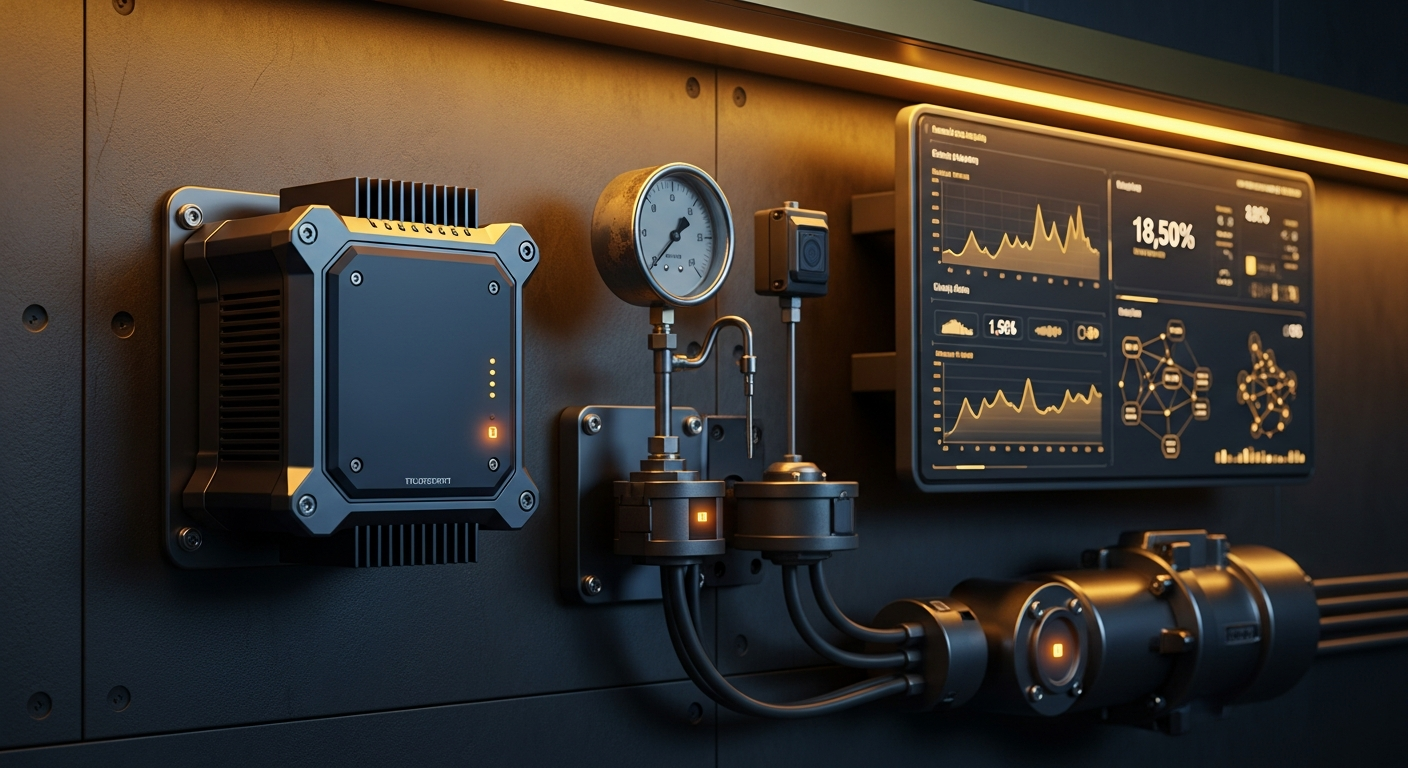
Edge computing solves specific problems. If you don't have these problems, you probably don't need it yet:
- Real-time processing requirements — applications where milliseconds matter and cloud round-trip latency is unacceptable. Autonomous systems, manufacturing quality control, real-time safety monitoring.
- High-volume sensor data — IoT deployments generating large volumes of raw data where sending everything to the cloud is prohibitively expensive in bandwidth and storage costs. Processing locally and sending only relevant events reduces costs substantially.
- Intermittent connectivity environments — remote locations, vehicles, or field operations where cloud connectivity isn't reliable. Edge processing keeps operations running during connectivity gaps.
- Data residency requirements — regulatory or contractual requirements that raw data not leave a specific location. Edge processing allows local analysis without data leaving the premises.
- Video analytics — processing surveillance or operational video locally for object detection, anomaly detection, or operational intelligence without sending full video streams to the cloud.
When Your Business Doesn't Need Edge Computing
For most small and mid-sized businesses running standard office workloads — email, cloud applications, file storage, VoIP — edge computing adds complexity without meaningful benefit. Your "edge" is already handling local processing through your workstations and servers. The cloud-vs-edge decision only becomes relevant when you're dealing with IoT sensors, operational technology, or latency-sensitive real-time systems at meaningful scale.
A lot of vendor marketing applies "edge" branding to products that are simply local compute — a server at your location. That's not wrong, but it's not what the enterprise edge computing discussion is about. Don't let terminology create a solution looking for a problem.
Where Edge Is Moving in 2026
The most active deployment areas for edge computing are manufacturing (Industry 4.0 / smart factory), healthcare (bedside processing, imaging), retail (checkout analytics, inventory), and transportation (fleet telematics, autonomous vehicles). For most businesses, the most relevant near-term applications are likely in hospitality (real-time guest analytics, operational intelligence from sensors) and construction (remote site monitoring and equipment telematics).
If you're evaluating whether edge computing belongs in your technology roadmap, or if a vendor is proposing an edge deployment and you want a second opinion on whether it fits your needs, Leonidas can help you evaluate it objectively.
Leonidas is a managed IT services provider, cybersecurity consulting firm, and unified communications consultancy serving businesses across industries. We offer free 30-minute assessments. Contact us or call +1 (888) 790-8777.